


Johns Hopkins UniversityEst. 1876

America’s First Research University

Archived articles

Science+Technology

Avian-inspired engineering
Published Winter 2021
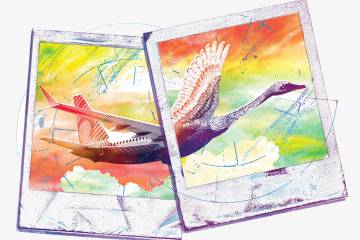
The lightweight, adaptable, irregular structure of bird bones could provide a blueprint for better aerospace and automotive materials / Johns Hopkins Magazine
The mind Riehls
Published Winter 2021
Mathematician Emily Riehl finds deep and useful connections among objects that don't exist yet are everywhere. / Johns Hopkins Magazine
Q+A
The latest on omicron
Published Dec 10, 2021
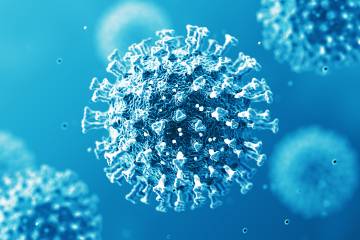
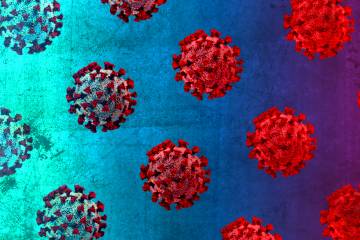
The COVID-19 variant is infecting the vaccinated and spreading quickly around the world. Here's what we know so far.
Acoustics
The science of the sound of music
Published Dec 7, 2021
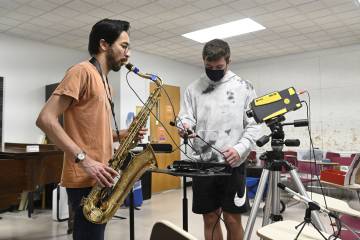
Engineering students teach acoustics course at Peabody, opening a new avenue for scientific and musical collaboration
NanoBioTechnology
Venom makes a beeline through blood brain barrier, delivering medication
Published Dec 3, 2021
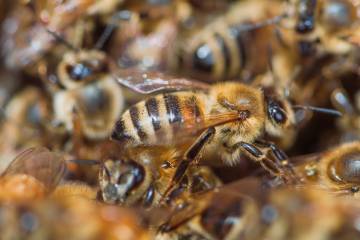
Researchers have determined the dose of bee venom that is non-toxic to neurons and can effectively—but reversibly—penetrate the blood brain barrier
Engineering
Bat-inspired artificial brain could improve submarine navigation
Published Dec 3, 2021
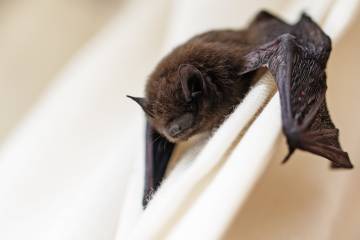
Postdoctoral fellow identifies area in the midbrain of bats that processes sounds, which has implications for the next generation of sonar technology
Q+A
What we know about the omicron variant
Published Nov 30, 2021
With a worrisome number of mutations and a spike of cases in southern Africa, omicron is the latest COVID-19 variant of concern
Environmental health
EPA grants $1.9M to JHU researchers to study biosolids from sewage
Published Nov 29, 2021
Study will examine the occurrence and uptake of contaminants found in waste as well as health risks
Health disparities
COVID-19 transmission high in Latino households of Baltimore, study finds
Published Nov 29, 2021
The average time for the virus to spread in these households is fewer than two days, the study also found
NASA launches DART spacecraft on asteroid collision course
Published Nov 24, 2021 Video
The mission, designed and managed by the Johns Hopkins Applied Physics Lab, is the world's first to test technology for defending the planet against potential asteroid or comet hazards